



Horizon is honoured to receive the UWC Award for Peace Education and Sustainability in Education 2025. This award recognises Horizon’s contribution to building and strengthening the UWC movement and supporting its mission.
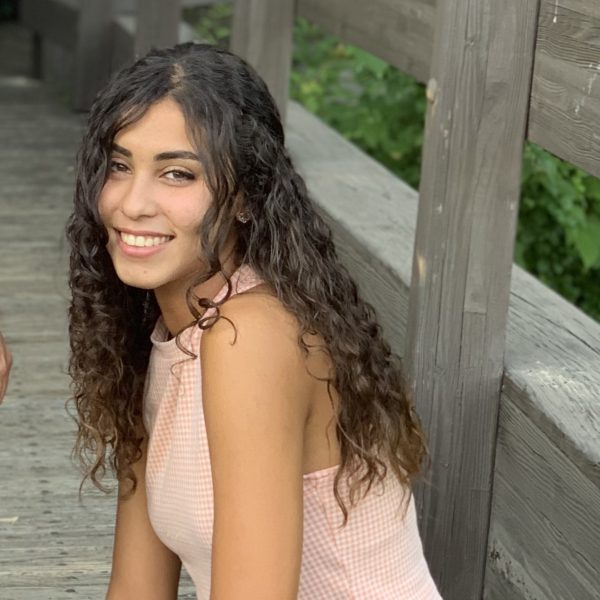
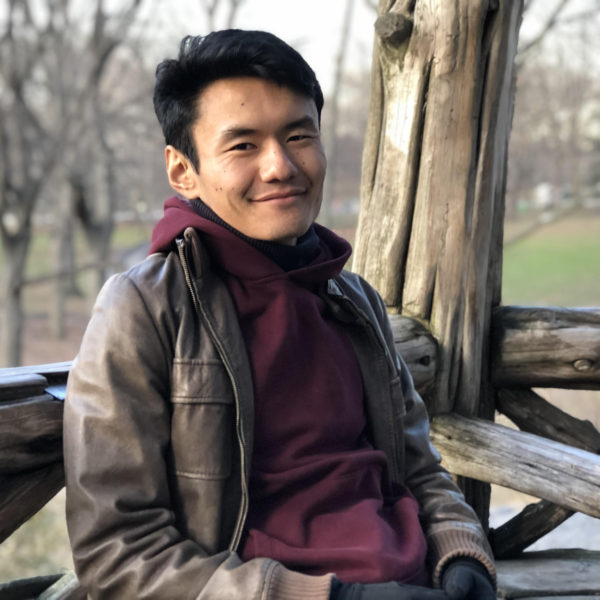
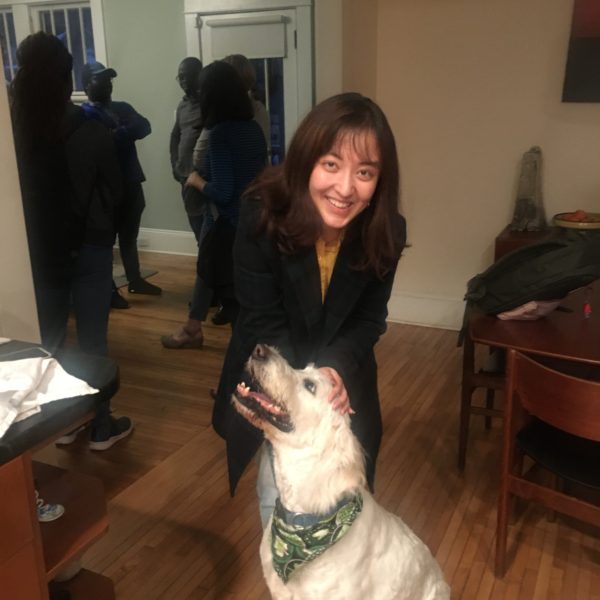
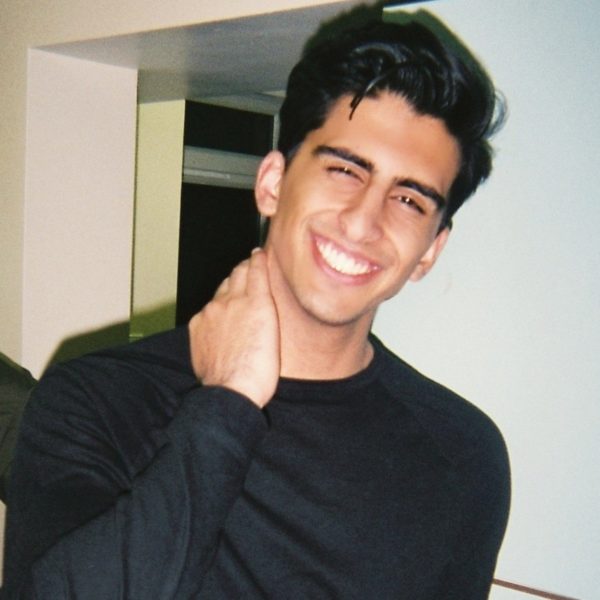
The award was officially announced at the UWC International Gala 2025 held at International House in New York on 8 May 2025 and was presented by Rev Nontombi Naomi Tutu. Horizon scholars Donia Khraishi (UWC Maastricht 2015-2017), Dima Muamar (UWC Maastricht 2020-2022), Yewong Dongchung (UWC Atlantic 2007-2009) and Tsethar Fnu (UWC USA 2017-2019) collected the award on Horizon’s behalf.
More info can be found HERE.
read moreHorizon held two gatherings for its scholars earlier this year. Scholars from UWC Atlantic joined Horizon staff for an Iftar meal in March at a Lebanese restaurant in central London (pictured). This gave scholars the opportunity for a short sight-seeing trip in town and a welcome break from the demands of their studies and exam preparations.
In addition, Horizon’s CEO, Samia El Tabari attended the UWC Maastricht graduation ceremony in May to celebrate the achievements of the three scholars who completed their studies. She also met with Horizon’s other scholars and UWC Maastricht staff during her stay.
read moreHorizon’s Community Engagement Initiative (CEI) encourages its scholars to lead projects that promote cross-cultural understanding. Over the past two years, Horizon has awarded CEI grants to a Palestinian student at UWC Atlantic and a Syrian scholar at UWC Maastricht to purchase an oud (pictured above) for their respective schools. Tibetan students were also supported at UWC Maastricht with the purchase of a Tibetan lute and five Tibetan flutes. The instruments were used by the scholars to introduce Arab and Tibetan music to their peers and to perform in school concerts. All of the instruments will remain at the schools to be used in future.
read more